Times Roman Font GHI Review
As an embroidery designer with years of experience, I’ve seen my fair share of fonts that look great on screen but fall apart in real life. Times Roman Font GHI is one that stands out for its classic appeal and versatility. It’s a machine embroidery design that feels right at home on everything from custom apparel to personalized gifts. But like any good design, it needs the right context to shine.
The First Impression: A Timeless Look
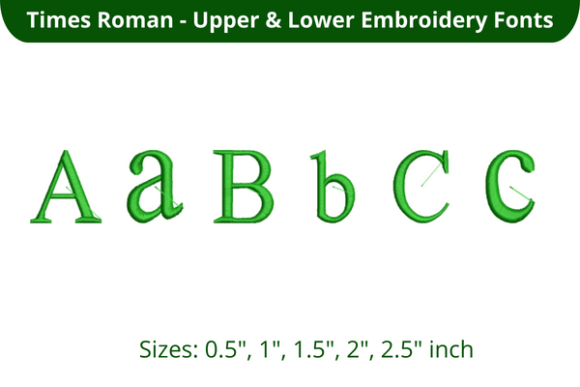
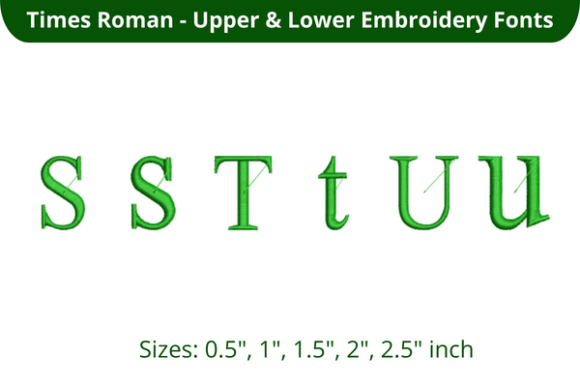
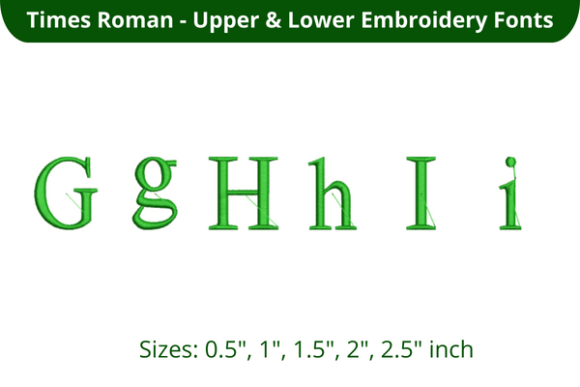
When I first saw Times Roman Font GHI, it immediately brought to mind the elegance of old books, formal invitations, and vintage signage. The font has a clean, structured feel with subtle serifs that give it character without being too ornate. It’s not overly decorative, which makes it ideal for projects that need to be readable and professional.
This font works best on projects that aim for a refined or nostalgic aesthetic. It’s perfect for back-to-school items like tote bags, sweatshirts, or baby clothes where clarity and style are both important. The layout is balanced, and the detail level is just right—enough to make a statement without overwhelming the fabric.
Real-Life Embroidery Use Cases
One of the first projects I thought of when evaluating this design was a custom embroidered tote bag for a small business owner. The font’s structure makes it easy to read, even at smaller sizes, and it pairs well with a variety of thread colors. Whether it’s used for a name, a quote, or a date, it adds a polished touch to any handmade product.
I also considered how it would work on a sweatshirt or t-shirt. The stitch density is moderate, so it doesn’t create a heavy build-up on thin fabrics. That’s a big plus for everyday wear. For baby items, the font’s simplicity helps keep the design soft and approachable, which is essential for nursery decor or personalized gifts.
On caps or hats, the font holds up well, especially if the hoop size is appropriate. It’s less suited for curved surfaces where the letters might stretch or distort. For patches, the design works nicely as an applique design, and it can be used in combination with other elements to create a layered look.
Where to Use It Carefully
While Times Roman Font GHI is versatile, there are some situations where it might not perform as well. On small hoop sizes, the font could become too tight, leading to stitching issues. If you’re working with textured fabrics or stretchy materials, you’ll need to adjust your stabilizer and test the design before committing to a full project.
For dark fabrics, the font may not show up as clearly unless you use a contrasting thread color. Thin or delicate fabrics could also pose challenges, especially if the stitch density is too high. In those cases, it’s better to simplify the design or use a running stitch instead of a satin stitch.
If you're planning to use this design for a commercial embroidery project, make sure to check the licensing terms. Some fonts have restrictions on how they can be used, especially if you’re selling finished products or digital embroidery files. Always confirm the rights before proceeding.
Impact on Visual Appeal and Customer Perception
Using Times Roman Font GHI can elevate the visual appeal of any embroidery project. Its clean lines and traditional feel add a sense of professionalism that customers appreciate. Whether it’s a personalized gift or a small shop product, the font contributes to a more polished and cohesive look.
From a customer perspective, this font is easy to read and visually appealing, which can increase the perceived value of the finished product. It’s also great for brand consistency, especially if you’re using it across multiple items like tote bags, aprons, or holiday gifts. The font’s timeless nature makes it a safe choice for long-term use in your design assets.
For craft businesses and Etsy sellers, this font can help create a more attractive listing. When paired with a printable mockup, it gives buyers a clear idea of what the final product will look like. This can lead to higher engagement and more sales, especially for personalized items that rely on visual appeal.
Practical Designer Notes
Before using any embroidery file, I always recommend testing it on scrap fabric. This helps you see how the design looks in real life and identify any potential issues. With Times Roman Font GHI, pay attention to the stitch density and how it interacts with different thread colors and fabric textures.
Make sure to check the hoop size required for the design. If it’s too large for your machine, you may need to adjust the layout or split the design into sections. Also, don’t forget to use the proper stabilizer, especially on stretchy or delicate fabrics.
For commercial use, double-check the licensing agreement. Even if the font looks great, you don’t want to run into legal issues down the line. And if you’re creating digital product previews, use black and white mockups to see how the design will appear on different backgrounds.
Conclusion: A Reliable Choice for Thoughtful Projects
Times Roman Font GHI is a solid addition to any embroidery designer’s toolkit. It’s well-suited for a wide range of projects, from back-to-school essentials to holiday gifts and boutique merchandise. Its classic style and readability make it a go-to option for both personal and commercial use.
With a little care and attention, this font can help you create beautiful, professional-looking designs that stand out in a crowded market. Whether you’re a small business owner, a craft seller, or a creative entrepreneur, it’s worth considering for your next embroidery project.