Producing Clean Energy to Save the World
First Impressions: A Design with Purpose
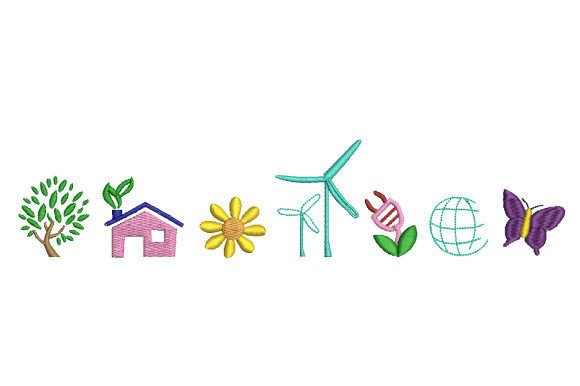
Producing Clean Energy to Save the World immediately conveys a message of hope and responsibility. The design features a stylized energy symbol intertwined with natural elements, creating a visual that feels both modern and meaningful. The layout is balanced, with clear emphasis on the central motif and supporting text. It’s a design that speaks to environmental awareness without being overly preachy.
The level of detail is moderate, making it suitable for a variety of embroidery applications. It doesn’t rely on excessive complexity, which means it can be adapted to different fabric types and project sizes. This makes it ideal for custom apparel, baby items, or small shop merchandise where simplicity and clarity are key.
Real-Life Use Cases: Where It Fits Best
Imagine preparing a custom embroidered tote bag for a local eco-friendly store. Producing Clean Energy to Save the World would look great on a cotton canvas tote, offering a subtle yet impactful statement. It could also work well on sweatshirts, caps, or aprons for a boutique brand focused on sustainability.
For baby items, the design’s clean lines and neutral tones make it versatile enough for a nursery or a personalized gift. On a onesie or a blanket, it adds a touch of thoughtfulness without overwhelming the piece. It’s also a strong candidate for holiday gifts, especially around Earth Day or climate-focused events.
In a craft fair setting, this design could stand out as a handmade product with a clear message. Its simplicity allows for easy customization, such as adding a name or date, which increases its appeal as a personalized gift.
Performance in Real Embroidery Situations
Producing Clean Energy to Save the World performs well in most standard embroidery projects. The stitch density is appropriate for most fabrics, though it may require extra stabilizer on thin or stretchy materials. On dark fabrics, the thread colors should contrast well, but it’s always wise to test the design before committing to a large batch.
This design works best on flat surfaces like t-shirts, tote bags, or pillow covers. It may not be ideal for curved surfaces like caps or hats, where the stitching might pull or distort. For patches, the design holds up well, especially if using a medium-weight stabilizer.
When used on textured fabrics, such as denim or canvas, the design remains visible and readable. However, on very fine or delicate fabrics, the stitches may appear too dense. It’s recommended to adjust the stitch density or use a lighter stabilizer in such cases.
Where to Be Cautious
Small hoop sizes can be a challenge with this design. If the hoop is too tight, the corners of the design may not stitch properly. It’s best to use a larger hoop or split the design into sections if working with limited space.
On thin or stretchy fabrics, the design may pucker or lose definition. Using a tear-away or cut-away stabilizer can help maintain the integrity of the stitches. For layered garments, ensure that the design is placed on the outer layer to avoid visibility issues from the inside.
Detailed corners and tiny lettering may require extra attention during the stitching process. It’s advisable to check the design on a scrap fabric first to ensure that all elements are clear and well-defined.
Impact on Visual Appeal and Customer Perception
Producing Clean Energy to Save the World adds value to any project it’s used on. Its clean, modern aesthetic enhances the visual appeal of custom apparel and small business merchandise. It also reinforces brand consistency for businesses focused on sustainability or social responsibility.
Customers often respond positively to designs that reflect a cause or message. This design can increase buyer engagement by appealing to environmentally conscious shoppers. It also makes for a thoughtful personalized gift, especially when paired with a meaningful message or name.
As a finished product, it maintains a professional look, whether used on a handmade item or a commercial embroidery project. Its versatility ensures it can be adapted to different styles and preferences, making it a reliable choice for designers and sellers alike.
Practical Designer Notes
Before using Producing Clean Energy to Save the World in your next project, test it on scrap fabric to see how it looks on your chosen material. Check the thread color contrast against the background fabric to ensure visibility and cohesion.
Review the stitch density to make sure it matches the requirements of your project. Confirm the hoop size needed for your machine and adjust as necessary. Inspect small details like corners and lettering to ensure they’re sharp and well-defined.
Test the design in black and white mockups to see how it translates on different backgrounds. Compare it on light and dark fabrics to determine the best application. Use the proper stabilizer for your fabric type to prevent puckering or distortion.
Ensure the design is suitable for both personal and commercial use. Confirm the licensing terms before selling finished items or digital products. This will help avoid any legal issues and ensure your work is fully compliant.
Final Thoughts: A Design That Speaks Volumes
Producing Clean Energy to Save the World is more than just an embroidery design—it’s a statement. It’s a design that fits naturally into a wide range of projects, from custom apparel to small shop merchandise. Its clean lines and meaningful message make it a valuable addition to any designer’s toolkit.
Whether you're an Etsy seller, a craft business owner, or a hobbyist looking for inspiration, this design offers practicality, visual appeal, and a purpose. With careful consideration and testing, it can become a standout element in your next embroidery project.